
PTSD TREATMENT BRISBANE
Find Healing Through Trauma Therapy Brisbane
Find Healing Through
Trauma Therapy Brisbane
TRAUMA PSYCHOLOGIST BRISBANE
Anyone who has experienced trauma in life can suffer from post-traumatic stress disorder (PTSD)
PTSD is often associated with combat veterans and terrorist attacks, but it is actually most commonly caused by traumas which can affect any of us. That includes physical and sexual assault, car accidents, and terminal or life threatening illnesses. Anyone who has experienced trauma in life can suffer from PTSD and, in fact, many people experience the signs and symptoms without realising it.
Fortunately, there’s an increasing awareness of trauma and post traumatic stress disorder in modern society. Therapies for post traumatic stress disorder include cognitive behavioural therapy (CBT) and EMDR therapy — both of which are offered by our qualified and compassionate PTSD psychologists, Brisbane Centre for Psychology in Stafford Heights.
What is PTSD?
Post-traumatic stress disorder (PTSD) can affect anyone. While it is often associated with military service or violent assaults, PTSD can develop following any experience that overwhelms a person’s ability to cope—regardless of age, occupation or life experience.
Importantly, PTSD does not always result from directly experiencing trauma. Many people develop PTSD after witnessing distressing events, such as domestic or family violence, serious motor vehicle accidents, medical emergencies, or natural disasters. The impact of these experiences can be just as significant and long-lasting.
People who seek PTSD treatment with our Brisbane psychologists may experience a wide range of symptoms, which can differ greatly from person to person. These responses—often involving heightened fear, anxiety or distress—are typically grouped into four broad symptom patterns, which help guide assessment and evidence-based treatment.
- Feeling emotionally numb — A lack of emotion or a feeling of detachment are often symptoms of PTSD and an indication that PTSD treatment should be sought.
- Feeling constantly wound up — Irritability, stress, tension, lack of concentration and sleeping difficulties are all common PTSD symptoms.
- Constantly reliving the event — Flashbacks and recurring nightmares, for example, accompanied by anxiety or panic attacks, sweating and palpitations.
- Avoiding reminders of the event - including people, places, feelings and thoughts that bring back unwanted memories.
Don't let PTSD snowball
Get the help and support you need with PTSD counselling at Brisbane Centre for Psychology.
Traumatic experiences can exacerbate pre-existing mental health disorders or bring about other problems, like anxiety, depression or substance abuse. As PTSD can snowball into serious problems without the proper help and support, anyone who feels they may be experiencing symptoms should seek trauma counselling. Brisbane Centre for Psychology offers PTSD therapy and treatment at our northside psychology clinic in Stafford. We provide a safe and welcoming environment, making the experience less daunting for those who could benefit from post traumatic stress disorder treatment.
More than 12% of Australians experience PTSD so you’re not alone. You shouldn’t feel any shame or fear about seeking PTSD counselling from a trauma psychologist. Whether you need a therapist for anxiety or are seeking a complex PTSD psychologist in Brisbane, you can book a consultation with a trauma psychologist at Brisbane Centre for Psychology, contact us today.
Therapies for treating PTSD
At Brisbane Centre for Psychology, we understand that the journey to healing from post-traumatic stress disorder is deeply personal. Trauma affects everyone differently, and finding the right approach is key to recovery. Our experienced trauma psychologists offer a range of evidence-based therapies to help individuals process their experiences, manage distressing symptoms, and regain control over their lives.
PE therapy
People living with generalised anxiety disorder experience persistent, excessive worry about everyday situations, often feeling restless, on edge or overwhelmed. This can interfere with daily life, work, and interpersonal relationships, making it difficult to relax.
EMDR therapy
Brainspotting Therapy
Prolonged Exposure Therapy
Trauma-Focused CBT Therapy
CBT Therapy
At Brisbane Centre for Psychology, we understand that everyone’s experience with trauma is unique. That’s why we take a tailored approach to treatment, working closely with each person to develop a plan that suits their specific needs. PTSD is highly treatable, and seeking support is an important first step toward healing. Whether you are dealing with the effects of a single traumatic event or ongoing trauma, our team of compassionate, skilled psychologists are here to support you.
If you’re ready to start your journey toward improving your trauma related mental health, we invite you to contact us today and book an appointment with one of our trauma specialists. We are here to help you regain control, find peace, and work toward recovery.
Long-term effects and the recovery journey
The journey of healing from complex trauma is unique to each individual and often unfolds over time. It’s essential to recognise that recovery is not a linear path but a process that can involve setbacks, growth and periods of reflection. Individuals who have experienced complex trauma may face long-term effects, such as difficulties in emotional regulation, a diminished sense of self-worth, challenges in trusting others, or persistent feelings of anxiety and depression. These effects can sometimes result in chronic health issues, both physical and mental, and end up impacting an individual’s ability to function fully in daily life.
At Brisbane Centre for Psychology, we understand the deeply personal nature of trauma recovery and provide a supportive environment where clients can work through these challenges at their own pace. Our experienced therapists use evidence-based treatments to help individuals process their trauma, build emotional resilience, and regain a sense of control over their lives. Healing often involves addressing underlying issues such as self-esteem, trust and attachment, while also developing coping strategies for managing the ongoing emotional impact of trauma.
With the right support, individuals can experience significant progress, improving their quality of life and overall well-being. At our centre, we emphasise a compassionate, client-centred approach, ensuring that each person feels seen, heard, and valued as they navigate their journey toward healing. The road to recovery may not always be easy, but with patience, understanding and professional support, individuals can rebuild their lives, fostering a future filled with hope and potential.
Prevention and early intervention
Preventing complex trauma or mitigating its long-term effects begins with early intervention and providing support to those who are vulnerable. The earlier trauma is identified and addressed, the better the outcomes for those affected. In many cases, individuals may not even recognise the full scope of trauma until it starts to manifest in their emotional and psychological well-being. This is why early awareness and intervention are crucial, particularly for children, adolescents, and those in high-risk environments.
At Brisbane Centre for Psychology, we are committed to working with clients early on, whether through preventative care or early-stage therapy, to reduce the long-term impact of trauma. Early intervention can help individuals build healthier coping mechanisms, strengthen emotional regulation, and cultivate positive relationships before trauma has the chance to take a deep toll.
Early intervention isn’t just about treating trauma after it occurs—it’s about creating an environment where individuals can thrive without the lasting scars of untreated emotional wounds. With our warm, professional support, Brisbane Centre for Psychology offers a safe space for clients to begin their healing journey and prevent further harm, fostering resilience and well-being from the start.
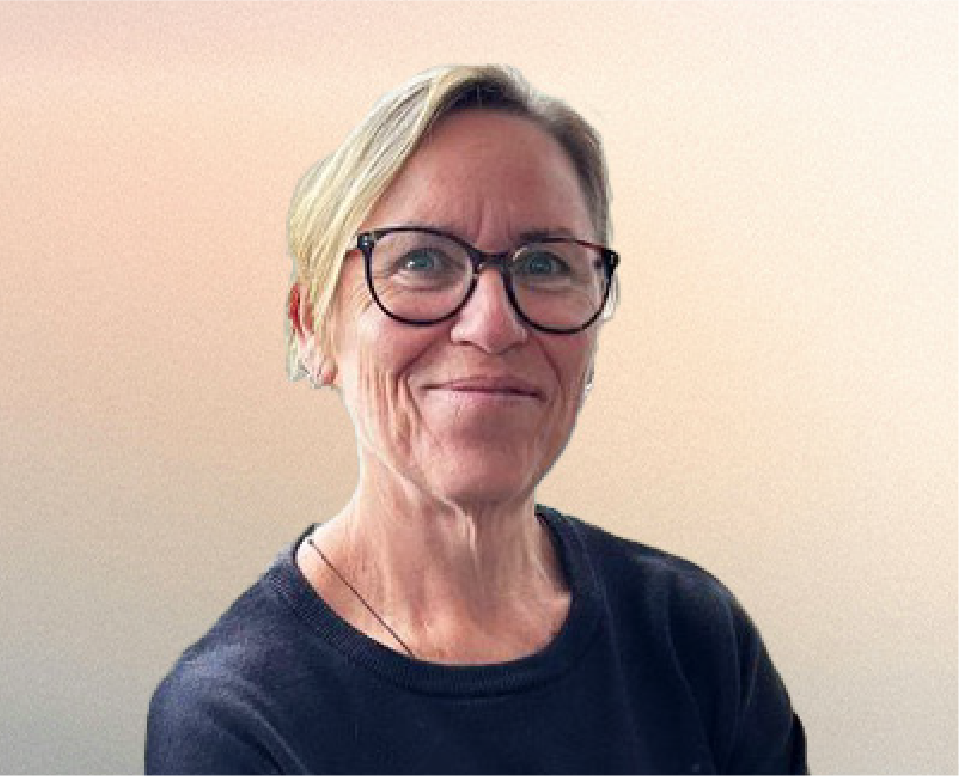
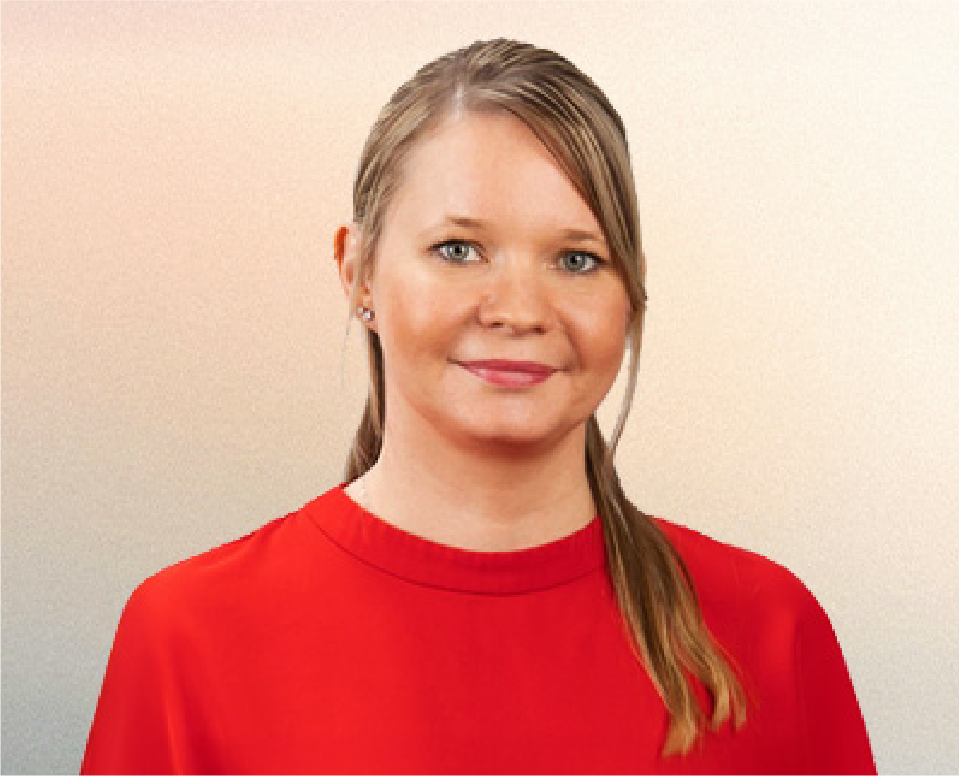
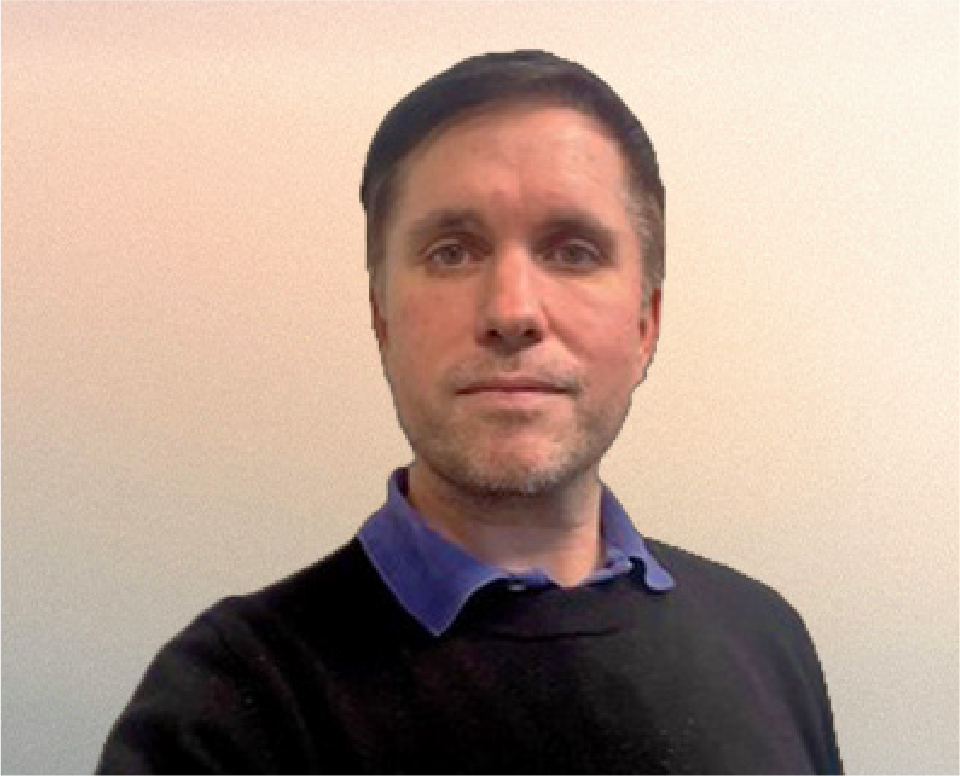
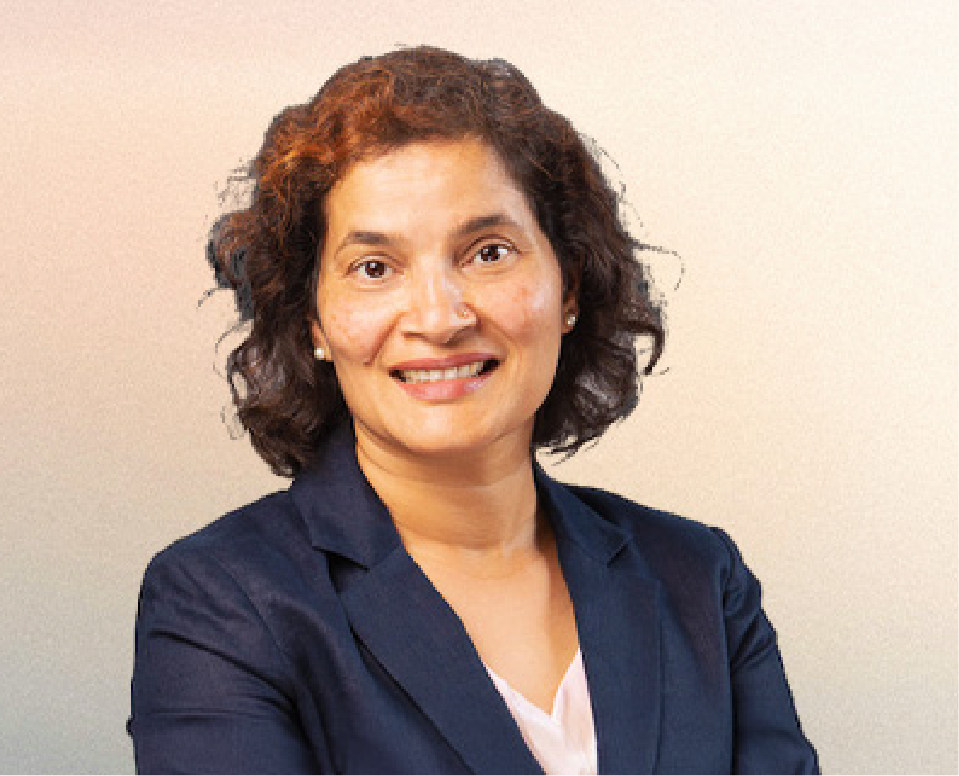
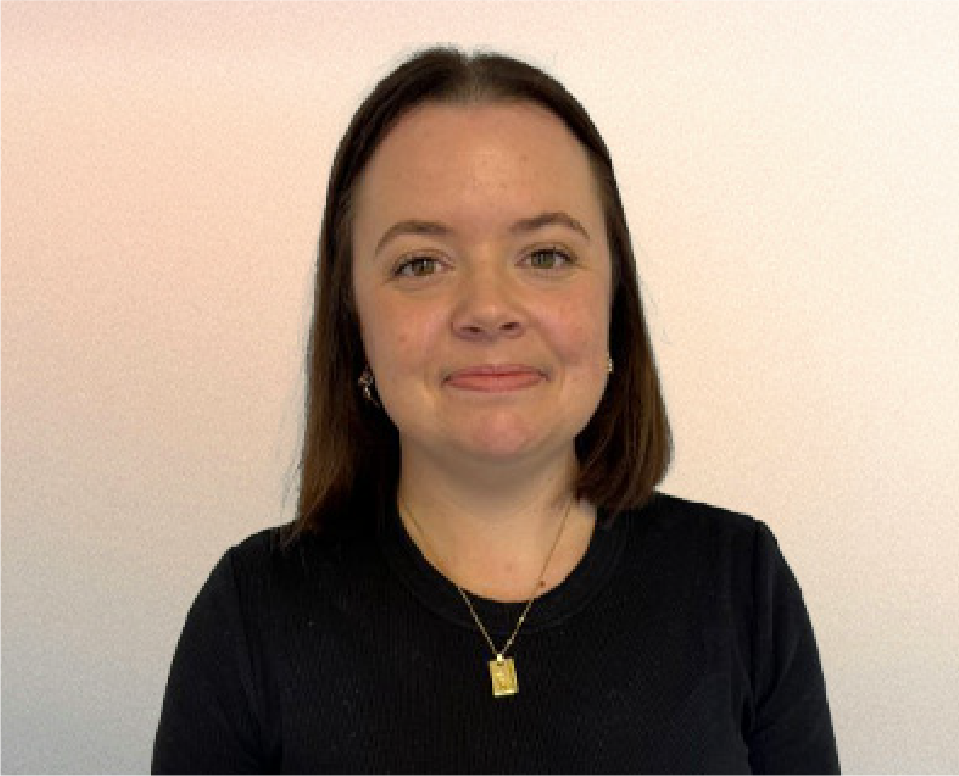
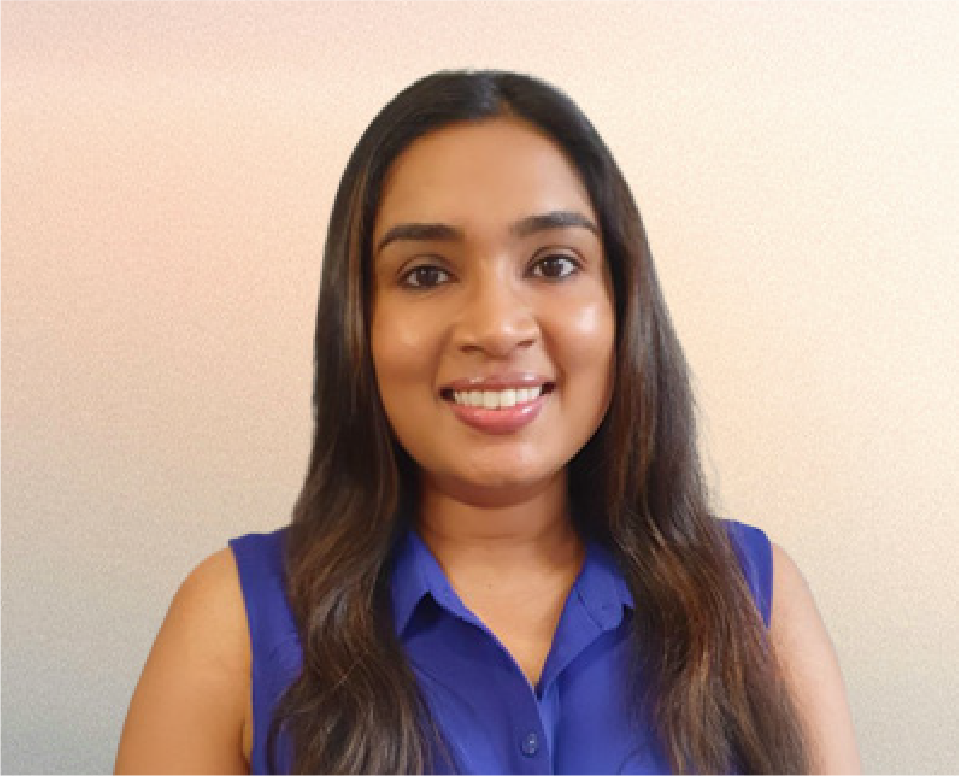
meet our team
Our Team


Getting started with PTSD therapy Brisbane: FAQs
What is PTSD and complex PTSD?
Post-traumatic stress disorder (PTSD) is a psychological condition that can develop after experiencing or witnessing a traumatic event. While originally associated with military service or major disasters, PTSD can result from many different types of trauma, including car accidents, physical or sexual assault, prolonged illness, or childhood neglect.
Complex trauma refers to repeated or prolonged exposure to traumatic events, often in situations where the individual feels trapped or unable to escape. This could include ongoing physical or sexual abuse, neglect, domestic violence, serious injury or living in a war zone. Complex trauma can occur during critical developmental periods in childhood, which can have a more profound impact on the individual’s emotional regulation, self-concept and ability to trust others.
Trauma related disorders can impact people differently, but common symptoms include distressing flashbacks, nightmares, heightened anxiety, emotional numbness, and avoiding reminders of the psychological trauma. If left untreated, these symptoms can affect relationships, work and overall well-being. The good news is that PTSD and childhood trauma are treatable, and when you take the first step to seek treatment and effective therapy, you begin the journey to help you regain control and heal. Book in with a Brisbane trauma clinical psychologist today.
How do I know if I need PTSD counselling?
Many people experience trauma but may not realise their symptoms are related to PTSD. If you find yourself feeling constantly on edge, avoiding certain places or situations, struggling with overwhelming emotions, or reliving distressing memories, it may be time to seek professional support.
PTSD can also manifest in physical ways, such as trouble sleeping, panic attacks, or feeling physically ill when reminded of a traumatic event. Everyone’s experience is unique, and you don’t have to go through it alone—trauma therapy provides a safe space to process your experiences and regain a sense of stability.
What happens during PTSD treatment?
PTSD treatment is tailored to each individual’s needs. At Brisbane Centre for Psychology, our experienced trauma psychologists use evidence-based therapies, including:
- Cognitive Behavioural Therapy (CBT): Helps you identify and reframe unhelpful thought patterns related to your trauma, reducing distress and improving coping skills.
- Eye Movement Desensitisation and Reprocessing (EMDR): A structured therapy that helps process traumatic memories in a way that reduces their emotional intensity. This approach is particularly effective for those who struggle with distressing flashbacks or intrusive thoughts.
- Trauma-Focused Therapy: A supportive approach that allows you to explore your experiences at your own pace while building resilience and emotional strength.
Therapy sessions are conducted in a warm, supportive environment, allowing you to feel safe as you work through your trauma.
How long does PTSD therapy take?
The length of PTSD treatment varies depending on the individual and the severity of symptoms. Some people notice improvements within a few months, while others may need longer-term support to fully process their trauma. Your psychologist will work with you to develop a personalised treatment plan that suits your needs and progress.
The most important thing to remember is that healing takes time, and seeking help is a powerful step toward recovery.
Do I have to talk about my trauma in detail?
No, therapy is not about forcing you to relive painful memories before you’re ready. Many people worry that PTSD counselling will require them to talk about traumatic experiences in depth, but this is not always necessary.
For example, EMDR therapy allows you to process traumatic memories without having to describe them in detail. Your psychologist will guide you through the process at a pace that feels comfortable and safe for you. The goal is always to empower you and help you regain a sense of control over your thoughts and emotions.
Is PTSD therapy only for people with severe trauma?
Not at all. PTSD therapy is beneficial for anyone who has experienced trauma, whether it was a single traumatic event or ongoing stress over time. Some people develop PTSD from life-threatening experiences, while others may experience trauma from emotionally distressing situations, such as childhood neglect or witnessing violence.
If trauma is impacting your daily life, relationships, or emotional well-being, seeking PTSD therapy at Brisbane Centre for Psychology can be a valuable step in your healing journey.
Can PTSD lead to other mental health issues?
Yes, PTSD often coexists with other mental health conditions, such as anxiety, depression and substance abuse. People with untreated PTSD may also experience difficulty maintaining relationships, low self-esteem, or chronic stress. Seeking therapy early can help prevent these challenges from escalating and improve overall well-being.
How do I book an appointment for PTSD counselling?
Taking the first step toward healing is an important decision, and we are here to support you. You can book an appointment with a trauma psychologist at Brisbane Centre for Psychology online by selecting your preferred psychologist and scheduling a consultation.
If you have any questions or are unsure about which therapist may be right for you, our friendly team is happy to assist you. Reach out today and take that first step toward reclaiming your peace of mind.